
Skip to content
Hale Kōkua, care home placement

Licensed senior care homes in Hawaii

What senior care homes in Hawaii are like

Most kūpuna who need daily help live in one of four kinds of licensed homes. This page explains each one in plain words, and what to look for when you visit.

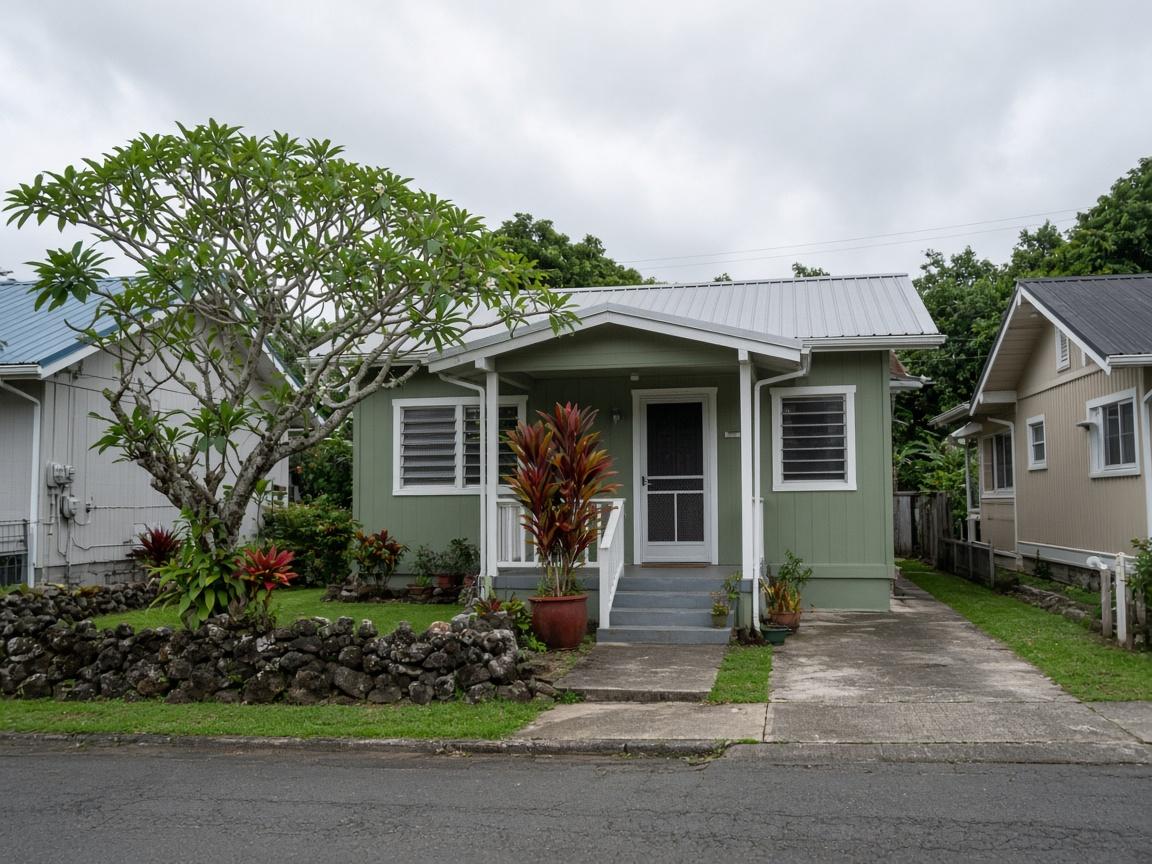
A small green plantation-style house with a stone wall and a plumeria tree in front.

The four kinds of homes, side by side

Hawaii care home licenses compared
Kind of homeSizeLevel of careCommon way to pay
ARCHType I: 5 or fewer. Type II: 6 or more.Help with daily livingPrivate pay, long-term care insurance
Expanded ARCHSame houses as ARCHNursing-home level, with a nurse involvedPrivate pay, long-term care insurance
Assisted livingLarger building with unitsDaily help, staff around the clockPrivate pay, long-term care insurance
Foster family homeOften 2 or 3 bedsDaily help, with a case managerMedicaid (Med-QUEST)

Medicare pays for medical care, not the monthly rate at these homes. Long-term care insurance, VA benefits, or another program may help when your person qualifies.

ARCH

Adult residential care home (ARCH)

A house in a neighborhood. A caregiver helps residents with the day: bathing, dressing, meals, medicines as the rules allow, laundry, and rides to appointments. Care follows a family and community model, not a hospital ward.

Who it fits
Adults who need some help every day, but not nursing-home level care.
Size
Type I is five or fewer residents. The Department may allow a sixth. Type II is six or more, with an administrator.
Paying
Usually private pay or long-term care insurance. Medicare does not pay the monthly rate.

Expanded ARCH

Expanded ARCH

The same kind of house, licensed to care for people who need a nursing-home level of care. A registered nurse helps train caregivers and watches the daily care.

Who it fits
People whose physician or APRN has certified nursing-home level care. Also residents who already live in the home and need more care later, when the Department agrees they can stay.
Size
A Type I expanded home generally has no more than two residents at that level. A Type II expanded home generally keeps it to 20 percent of its beds. The Department can allow more.
Paying
Usually private pay or long-term care insurance. Ask the home about cost early. Heavier care can change the monthly rate.

Assisted living

Assisted living facility

A larger building with apartments or units. Meals are provided and staff are available around the clock. The resident, family, and staff make a care plan together.

Who it fits
People who feel they can no longer live alone, including people with limited mobility, who want more independence and their own space.
Size
Larger than an ARCH. Aging in place is written into the assisted living rules.
Paying
Usually private pay or long-term care insurance. Medicare does not pay the monthly rate.

Foster family home

Community care foster family home (CCFFH)

A small certified home, often with two or three beds. A case manager from a case management agency, not Hale Kōkua, is part of the care.

Who it fits
Adults in Medicaid community care, through Med-QUEST.
Size
Small. The State roster shows many homes with two or three beds, on Oʻahu and the neighbor islands.
Paying
Medicaid community care. The State decides eligibility. Community Ties of America does the licensing and certification work.

What about memory care?

Memory care is not one of the Hawaii license names on this page. When memory loss is part of the picture, ask each home how they care for it, including night wandering. The home and your person's doctor decide whether the home can give that level of care.

Memory care in Hawaii

What to expect on a visit

After we introduce you, you set up the visit with the home. Bring your person if they are able. Take your time.

What to look at

  • The license. Ask to see it, then confirm it with the State Licensing Section at (808) 692-7400.
  • The room your person would live in, and whether it is shared.
  • The bathroom, the hallways, and any steps. Think about a walker or wheelchair.
  • The kitchen and a meal, if you can visit around mealtime.
  • How the other residents spend their day.

What to ask

  • Who is in the house tonight, and who sleeps there?
  • Is the home approved for a wheelchair or a special diet?
  • How are medicines given, and who checks them?
  • How do you care for someone with memory loss or night wandering?
  • What happens if my person needs more help in six months?
  • Who do I call at 2 a.m.?

A mark on the State vacancy list is the license. It is still worth a visit. Approvals change, and a bed can fill the same week the report is printed.

How an introduction works

  1. 1

    The care

    You tell us what help your person needs each day, and what the doctor says.

  2. 2

    The license

    We explain which Hawaii license allows that kind of care: ARCH, expanded ARCH, assisted living, or a foster family home.

  3. 3

    The list

    We look at our list of homes and the State vacancy report for wheelchair approval, special diet, walking ability, and men's or women's openings.

  4. 4

    The introduction

    With your OK, we introduce your family to the home. From there, the home handles visits, admission, and care.

What you can count on

  • Families pay nothing to search

    There is no cost to your family to search or to be introduced to a home. When a placement happens, the care home pays us a referral fee.

  • We introduce, then the home takes over

    We introduce your family to licensed homes that may fit. After that, you work with the home directly on visits, admission, and care.

  • Every island

    Oʻahu, Hawaiʻi Island, Maui, Kauaʻi, Molokaʻi, and Lānaʻi.

  • Licensed homes only

    Every home on our list comes from State of Hawaii licensing records.

  • Our own list of homes

    We keep an up-to-date list of licensed care homes on every island. It helps us see which homes may fit the care you describe.

  • A person reads your note

    Not a call center. A person reads what you send and gets back to you by phone or email.

Questions about care homes

See all questions
What is the difference between an ARCH and assisted living?

An ARCH is a house with a small number of residents. An assisted living facility is a larger licensed building with apartments or dwelling units, meals, and staff available around the clock. Hawaii licenses them separately. The Office of Health Care Assurance writes the rules for both.

What happens if my person needs more care later?

It depends on the license. Aging in place is written into the assisted living rules. An ARCH has a ceiling. An expanded ARCH is licensed for nursing-home level care, and the Department can allow a person who already lives there to stay when that level begins. Ask the home about this before you sign anything. After move-in, those decisions are between your family, the home, and your person's doctor.

Can you help when memory loss is part of the picture?

Yes. Memory care is not one of the Hawaii license names on this site. Tell us about the memory loss, including night wandering, and we introduce you to licensed homes that say they care for it. Ask each home how they do it. The home and your person's doctor decide whether it is the right level of care.

How do I know a home is licensed?

Ask to see the license, then confirm it with the State Licensing Section at (808) 692-7400. The Department also publishes vacancy reports and facility lists. Hale Kōkua does not issue licenses or inspect homes.

How do I complain about a care home?

As of August 1, 2026, the Department asks the public to file complaints through the Kahua Ike portal. You can also call the State Licensing Section at (808) 692-7400. For a community care foster family home, Community Ties of America takes complaints at (808) 234-5380. Complaints go to the State, not to Hale Kōkua.

Not sure which home fits?

Tell us about your person. We explain the kinds of homes and introduce you to licensed homes that may fit.

Families pay nothing for the search.

Run a care home? This site is for families. Operators can reach Pono Placement.

Talk with usEmail us